
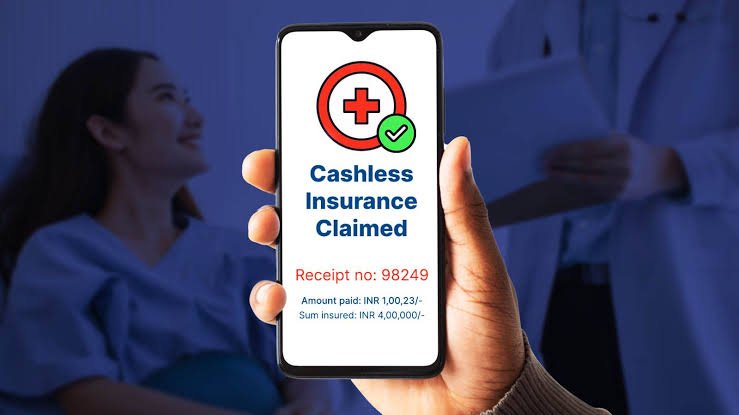
When people search for the best cashless health insurance, they’re usually looking for one thing: the assurance that a good hospital nearby will accept their policy without asking them to pay first. A wide hospital network helps, but the number on a brochure doesn’t tell the whole story. What matters is whether the right hospitals are included, how claims are handled and what the policy terms allow.
What Makes a Cashless Plan Strong
A cashless claim means the insurer settles approved expenses directly with a network hospital, so you don’t have to pay the covered amount upfront. The quality of that experience depends on several things working together: the network, the claims process, the policy terms and the sum insured.
When comparing Health Insurance Plans, it helps to treat the cashless facility as one feature among several rather than the only deciding factor. A large network attached to a policy with tight sub-limits or a low sum insured may still leave you paying a large share of the bill.
Why Cashless Matters
Paying a large hospital bill upfront can mean breaking deposits, using credit cards or borrowing from family at short notice. Even when the insurer reimburses you later, that gap can cause stress and sometimes cost money.
Cashless settlement narrows the gap by letting the insurer pay the hospital directly for approved expenses. You still pay for anything the policy doesn’t cover, but the largest share of the bill no longer has to come from your own account first.
Look Beyond the Network Size
A network of thousands of hospitals sounds reassuring, but most people will only ever use a few. Check whether well-equipped hospitals near your home, your workplace and your parents’ home are included, along with any specialist hospital you’d want for serious treatment.
Networks change over time, as hospitals join or leave. Check the current list on the insurer’s website or app before buying, and again before any planned admission. A strong cashless health insurance plan is one whose network matches where you’re likely to need care.
How the Cashless Process Works
For planned treatment, the hospital sends a pre-authorisation request to the insurer or its third-party administrator before admission. In an emergency, the request is sent after admission. You’ll usually need your health card or policy number and photo ID.
IRDAI’s 2024 master circular requires insurers to decide on cashless authorisation within one hour of the request and to give final discharge authorisation within three hours of the hospital’s request. These timelines apply across insurers, which makes claim experience easier to compare.
Treatment Outside the Network
Under the General Insurance Council’s Cashless Everywhere initiative, you may be able to get cashless treatment at a non-network hospital. You need to inform the insurer at least 48 hours before a planned admission, or within 48 hours of an emergency admission.
This depends on the hospital accepting the insurer’s terms and the claim being admissible under your policy, so it isn’t guaranteed. If cashless isn’t available, you can generally pay and claim reimbursement with the original bills and documents.
Policy Terms That Affect Cashless Claims
Cashless approval doesn’t widen your cover. Waiting periods for pre-existing diseases, exclusions, sub-limits on specific treatments, room rent caps and co-payments all still apply. If you choose a room above your eligible category, related charges may be reduced in proportion.
At discharge, you’ll pay for anything the insurer hasn’t approved, such as certain non-medical items or a co-payment. The sum insured remains a ceiling, not a guaranteed payout.
Features Worth Comparing
Beyond the network, compare the sum insured, room rent eligibility, co-payment terms, sub-limits, waiting periods and pre- and post-hospitalisation cover. Features such as restoration of the sum insured, a cumulative bonus for claim-free years or day-care cover can add value, but they vary between policies.
Look at how claims are serviced too. An easy-to-use app, clear helpline support and quick pre-authorisation help as much as the policy wording when you’re at a hospital counter.
Common Mistakes When Choosing
A common mistake is choosing a plan purely for its network size, without checking whether nearby hospitals are included. Another is ignoring room rent limits, which can lead to large deductions even when the claim is approved.
Many people also fail to disclose existing conditions fully, which can lead to rejected claims later. Read the policy wording and the Customer Information Sheet before buying, and ask the insurer about anything that isn’t clear.
Making the Most of Cashless Cover
Save your policy number, health card and insurer helpline on your phone and share them with a family member. Note the network hospitals closest to your home and workplace. Keep copies of reports and prescriptions from any admission too, since some pre- and post-hospitalisation expenses are claimed separately as reimbursement.
For planned procedures, contact the hospital’s insurance desk early and confirm the approved amount before admission. That simple step avoids many surprises at discharge.
The best cashless plan is the one that works smoothly at the hospitals you’d actually use. Check the network, understand the terms and you’ll know what to expect when it matters.