
Hard water problems are usually noticed when appliances start underperforming, excessive scaling appears on fixtures, or soap does not clean and rinse off surfaces well. These common signs may indicate that a water softening system is required. However, installing a water softening system includes more than just identifying hard water problems. Factors such as household water usage, family size, and maintenance requirements should also be considered before selecting a suitable system for your home.
What is a Water Softener?
A water softener is a system designed to reduce water hardness caused by minerals such as calcium and magnesium. A hard water softener works through an ion exchange process, in which hardness-causing minerals are replaced with sodium as water passes through the system.
Read More : The Different Capacities Of Heat Pumps And What They Mean
By reducing mineral concentration, a water softener helps minimise scale buildup in pipes and appliances, improves soap and detergent performance, and enhances overall water usability.
Understanding the Need for a Water Softener
Hard water problems usually develop gradually and often become apparent through changes in daily household activities.
These issues may appear in the form of:
- Scale buildup inside pipes, taps, and water-using appliances
- Reduced efficiency of geysers, washing machines, and dishwashers
- White stains and mineral residue on bathroom and kitchen fittings
- Increased soap and detergent consumption due to poor lather formation
- Dry skin and rough-feeling hair after bathing
- Stiffness and fading in clothes after repeated washing
- Frequent maintenance requirements for plumbing systems and appliances
- Higher energy consumption in appliances affected by scaling
Many homeowners look online for how to make hard water soft, and they come across hard water softeners. However, consider certain factors before installing a water softening system. These factors include:
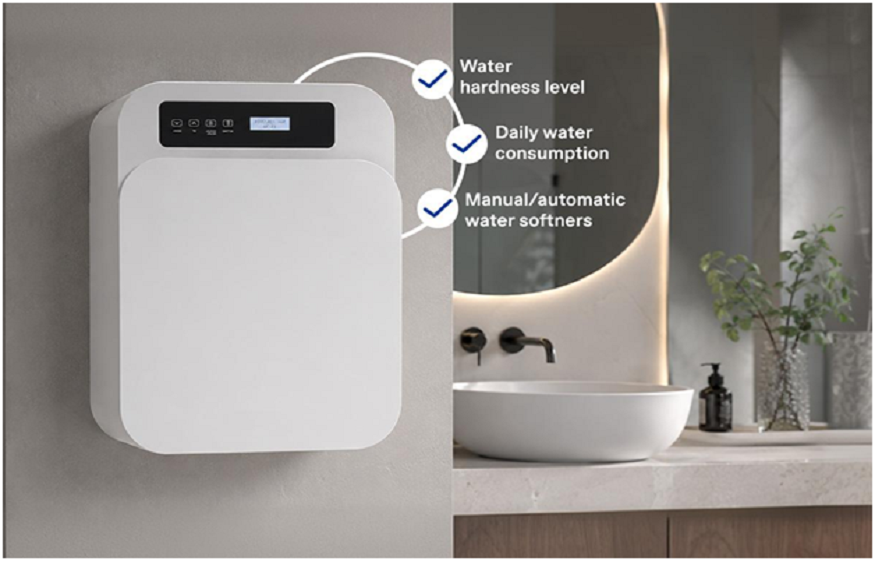
1. Water hardness level:
Water hardness can vary significantly from one location to another, which is why testing water quality before installation is essential. Water testing provides better clarity on whether a household is dealing with moderate or high hardness levels, as installing a unit without evaluating water quality may lead to inadequate performance.
2. Daily water consumption
Daily water usage is another key factor to consider when selecting the right water softener. Household size, number of bathrooms, and the use of appliances such as geysers, dishwashers, and washing machines all influence the overall water consumption.
3. Available installation space
Water softeners require adequate space for installation and routine maintenance. This includes space for the main unit, salt storage, and drainage arrangements.
4. Types of water softeners
Water softeners are usually available as manual or automatic systems. Manual systems provide more hands-on control to the user. On the other hand, automatic systems work with minimal manual intervention, making them more suitable for busy households.
5. Maintenance and service requirements
Like most water treatment systems, a water softener requires regular maintenance to function effectively. Timely salt refilling and cleaning can help maintain consistent softening performance over time.
Conclusion
Installing a water softener can help reduce several household issues associated with hard water, but proper planning before installation is equally important. Factors such as water hardness, daily usage, installation space, and maintenance requirements all influence how effectively the system will perform over time.
Read More : Comparing RO Plant Models For Office Use
Evaluating these aspects carefully, in addition to considering the water softener price, before purchase can help ensure that the selected system remains efficient, reliable, and suitable for long-term household use.